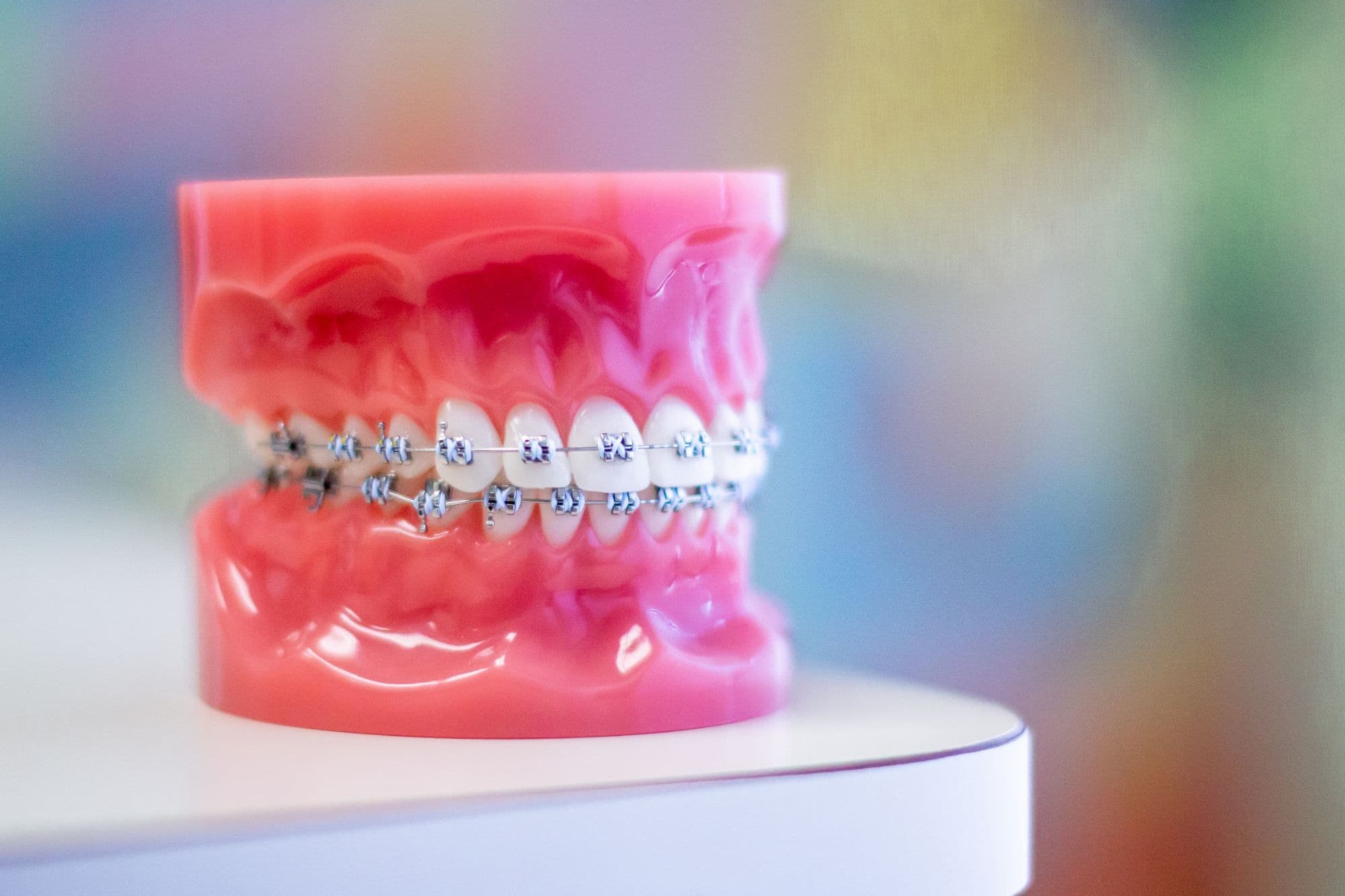
Getting your braces off is a big day. But the work isn’t quite finished. Retainers after braces are what keep your new smile exactly where it should be. Here’s why they matter, how long to wear them, the different types of retainers, and how to take care of yours.

Why Do You Need a Retainer After Braces?
Braces move your teeth into new positions, but the bone and tissue around them need time to settle. Right after treatment, your teeth naturally want to drift back toward where they started. A retainer holds them in place while everything firms up. Teeth can also shift slowly over a lifetime, which is why your retainer stays important long after your braces or clear aligners are done.
How Long Do You Wear a Retainer After Braces?
Every smile is different, and Dr. Ragan will give you a schedule built for you. For many patients, it looks something like this:
- The first few months: wear your retainer most of the day and night, taking it out only to eat and brush.
- After that: move to wearing it at night while you sleep.
- Long term: many orthodontists recommend nighttime wear for as long as you want to keep your results.
If your retainer starts to feel tight after a few nights off, that’s a sign your teeth are already starting to move. Get back on schedule and let our team know.
Types of Retainers
Removable Clear Retainers
These are thin, clear plastic trays made to fit your teeth. They’re nearly invisible and easy to take out for meals. Because they’re plastic, they can wear out or crack over time and need to be kept away from heat.
Traditional Wire Retainers
These use a thin wire across the front teeth attached to an acrylic piece that rests against the roof of your mouth or behind your lower teeth. They’re durable, can be adjusted, and let your top and bottom teeth touch naturally.
Bonded (Permanent) Retainers
A thin wire is attached to the back of your front teeth so it stays in place all the time. There’s nothing to remember, but you’ll need to take extra care when you brush and floss around it. Some patients use a bonded retainer together with a removable one.
Dr. Ragan will recommend the right type based on how your teeth moved, your bite and your lifestyle.
How to Take Care of Your Retainer
- Rinse it every time you take it out.
- Brush it gently with cool water and a soft toothbrush. Skip toothpaste, which can scratch clear retainers.
- Keep it in its case whenever it’s not in your mouth. Lots of retainers get lost wrapped in a napkin at lunch.
- Keep it away from hot water, dishwashers, car dashboards and pets.
- Bring it to your follow-up visits so our team can check the fit.
Good habits at home matter too. Our tips on oral hygiene still apply after treatment.
What If Your Retainer Breaks or Gets Lost?
Call our office as soon as you can. Going even a few weeks without a retainer can let your teeth shift. Don’t force a retainer that suddenly feels too tight, and don’t try to fix a broken wire yourself. For other problems that pop up between visits, see our guide to handling common orthodontic emergencies at home.
Keep Your Smile for Life
Your retainer is the easiest way to protect the time and investment you put into your smile. If you finished treatment years ago and your teeth have started to shift, or you’re considering braces or aligners for the first time, Ragan Orthodontics can help. Visit our Walnut Hill or Inwood office in Dallas, or start with a virtual consult. Schedule your free consult today.
Frequently Asked Questions
How long do I need to wear my retainer after braces?
Most patients wear their retainer full time for the first few months after braces come off, then switch to nights only. Many orthodontists recommend wearing it at night long term, because teeth can keep shifting throughout life. Dr. Ragan will give you a schedule that fits your smile.
What happens if I stop wearing my retainer?
Your teeth can slowly drift back toward where they started. Small shifts can happen within weeks, and bigger changes can build up over months or years.
Which type of retainer is best?
Each type has pros and cons. Removable clear retainers are nearly invisible, traditional wire retainers are durable and adjustable, and bonded retainers stay in place without you having to remember them. Dr. Ragan will recommend the best fit for your teeth and lifestyle.
How do I clean my retainer?
Rinse it every time you take it out, brush it gently with cool water and a soft toothbrush, and keep it in its case when it isn’t in your mouth. Avoid hot water, which can warp plastic retainers.
What should I do if my retainer breaks or no longer fits?
Call our office right away. The longer you go without a retainer, the more your teeth can shift. Don’t try to force a retainer that feels too tight.