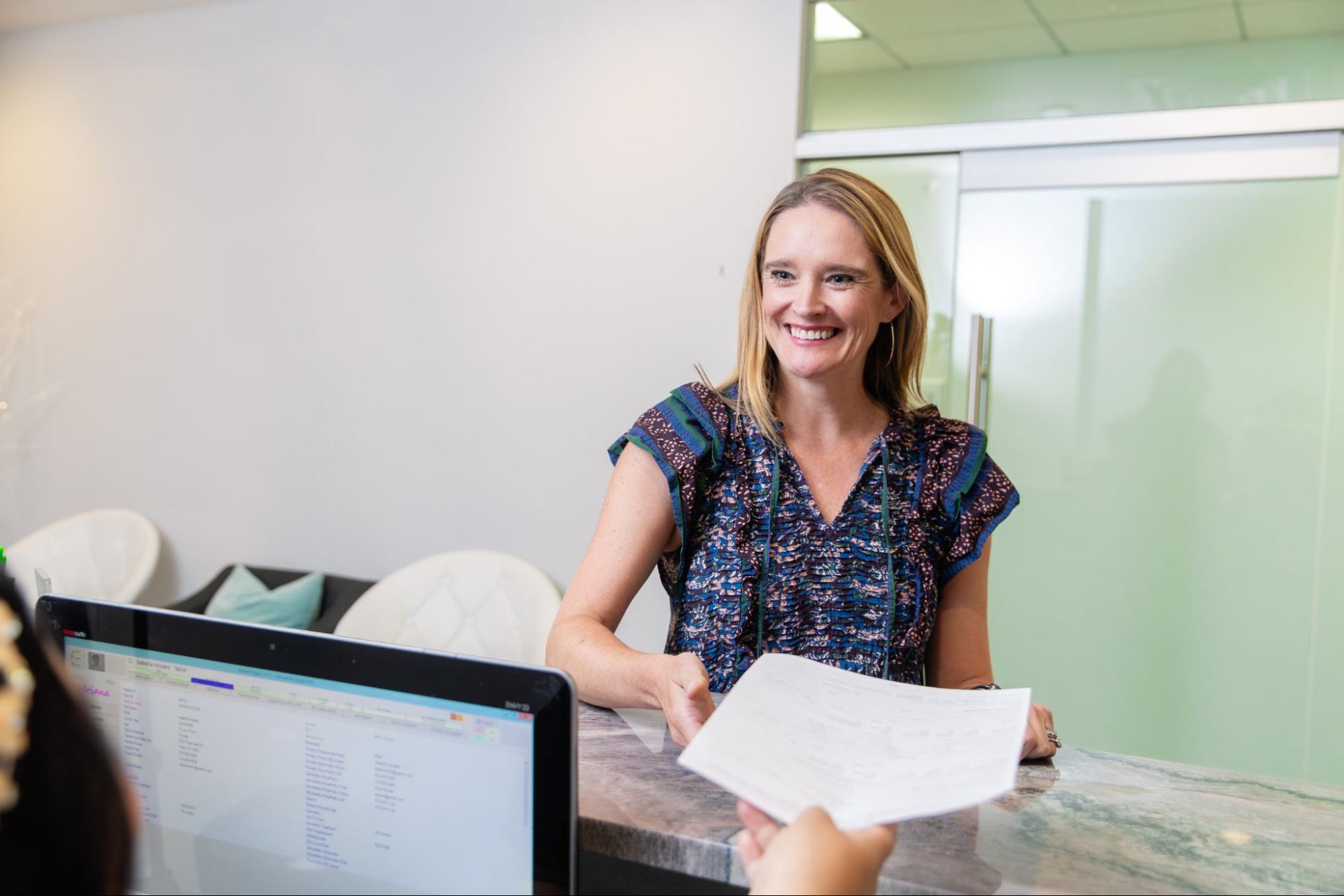
A virtual orthodontic consultation is simpler than most families expect. You fill out a short online form, upload a few smile photos from your phone, and get feedback from Dr. Ragan. No goop, no waiting room, no time off work. It’s a screening step that points your family toward the best treatment options.
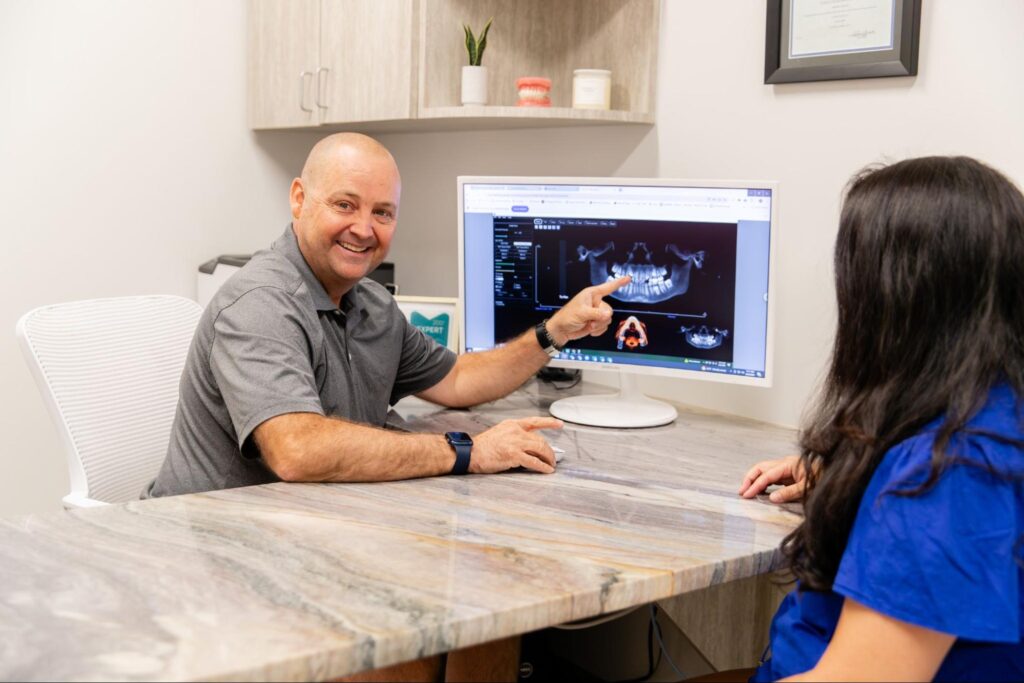
What Is a Virtual Orthodontic Consultation?
A virtual orthodontic consultation is a remote smile evaluation. You submit photos of your teeth and answer a short questionnaire, then Dr. Michael Ragan, an orthodontist with years of experience creating dazzling new smiles, reviews everything and sends back his thoughts on your bite, your likely options, and general timing. No trip to our practice required.
Think of it as a first look, not a full exam. Photos show Dr. Ragan the surface of your smile, and that’s often enough to tell you whether braces or clear aligners make more sense. What photos can’t show is root position, bone, or airway structure. Those need imaging.
Most families hear back quickly, and Dr. Ragan reviews every submission himself instead of handing it off to a technician or an app. There’s no cost to submit, and your information stays protected under HIPAA.
A few terms you’ll see along the way:
- Teleorthodontics: any orthodontic care delivered remotely, including photo reviews and video check-ins.
- DentalMonitoring: the app families use to send photos of their teeth between visits so Dr. Ragan can track progress.
- Virtual consult: the free, no-obligation first step, book one here.
How a Virtual Orthodontic Consultation Works, Step by Step
The free consult moves through five steps, from the first online form to the in-office records visit that makes treatment official. Nothing gets bonded, printed, or delivered until Dr. Ragan has diagnostic images in hand. Here’s the order everything happens in:
- Fill out a short online form about your smile goals and dental history.
- Take guided smile photos with your phone.
- Wait while Dr. Ragan reviews your images.
- Receive written or video feedback with your likely treatment options.
- Schedule an in-office visit for 3D scanning and X-rays before treatment starts.
Here’s what each step looks like in practice.
Step 1: Fill out the form. Tell us what bothers you about your smile, what you’d like to change, and a bit about your dental history. Past braces? Missing teeth? Jaw clicking? Mention it. This takes about five minutes.
Step 2: Take your smile photos. You’ll get simple prompts for each shot: a straight-on smile, both side views, teeth clenched, teeth apart, and views of your upper and lower arches. Your phone camera is plenty.
Step 3: Dr. Ragan reviews your images. He looks for crowding, gaps, overbite or underbite, crossbite, wear patterns, and signs of airway concerns like mouth breathing. Over the years, Dr. Ragan has built a referral network of ENTs, allergists, and speech pathologists for cases that go beyond teeth.
Step 4: You get real feedback. Not a form letter. You’ll receive notes or a short video covering what he sees, which appliances would likely work, and a general treatment range.
Step 5: Come see us. When you’re ready, we’ll capture goop-free digital pictures with our iTero scanner, take CBCT imaging, and build your exact treatment plan.
How Do You Take Good Smile Photos?
- Stand near a window or use bright indoor light.
- Have someone else take the shots if you can.
- Use cheek retractors, or pull your cheeks back with two clean plastic spoons.
- Skip the filters and the beauty mode. Dr. Ragan needs to see your actual teeth.
- Wipe your camera lens first. Blurry photos slow everything down.
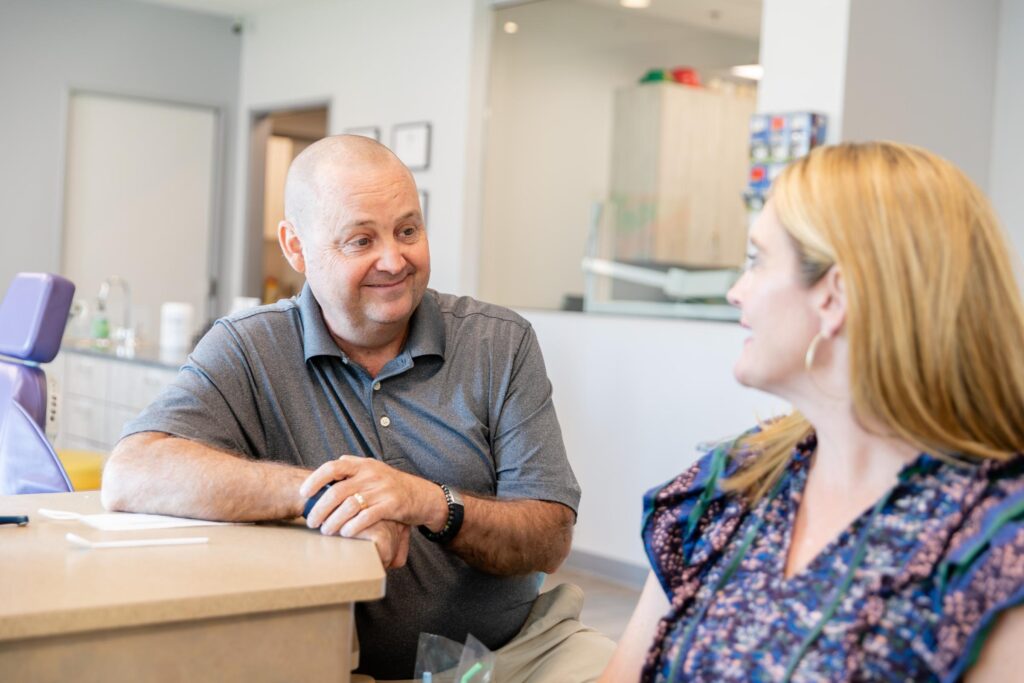
Benefits of Starting With a Virtual Consult
Starting online saves your family a trip. You get a professional opinion on your smile without rearranging your work schedule or pulling a kid out of soccer practice.
Why Start Online Instead of Coming In First?
- Privacy while you decide. Plenty of adults think about straightening their teeth for years before saying it out loud. A free consult lets you explore quietly, with zero pressure.
- A faster first visit. Your goals and concerns are already on file, so we spend your in-office time on records and answers instead of paperwork.
- Easy second opinions. Already been told you need braces, clear aligners, or something more involved? Send your photos and hear what Dr. Ragan thinks.
- Long-distance convenience. Traveling for work or living a long drive from our practice doesn’t have to delay your smile.
How Does DentalMonitoring Cut Down on Office Visits?
Fewer visits once treatment starts. With the free DentalMonitoring app, you send photos and videos of your teeth to Dr. Ragan between adjustments. That means you’ll spend less time in our practice and more time enjoying life.
Families juggling two work schedules, school pickups, and a long commute usually notice the difference first. Dr. Ragan still sees you in person on a regular rhythm, he just doesn’t need you in the chair for every small check along the way.
Virtual Consultation vs In-Office Exam: What Each Covers
Both lead to the same treatment options. They just cover different ground.
| Virtual Consult | In-Office Exam | |
|---|---|---|
| Where | Your phone, couch, or desk | Our practice |
| Tools used | Smile photos and an online questionnaire | Clinical exam, iTero digital scanner, CBCT imaging |
| Time required | About 5 to 10 minutes to submit | Around an hour |
| What you receive | General options, likely direction, next steps | Exact diagnosis, full treatment plan, and timeline |
| What it can’t do | Diagnose root position, bone loss, hidden decay, or impacted teeth | Nothing, this is the complete picture |
Why the X-rays matter: teeth are only about two-thirds visible. Roots, jaw joints, developing teeth, and bone density all sit below the surface, and no photo reveals them. Dr. Ragan won’t bond a bracket or hand over a set of aligners without diagnostic records, because moving teeth blindly risks real harm.
The good news? Once records are done, your choices stay wide open. Metal braces, clear braces, clear aligners, and hidden lingual braces are all on the table.
Who Is a Good Candidate for a Virtual Consultation?
Most families are. A free consult works especially well for:
- Adults and teens with mild to moderate crowding or spacing. Front teeth shifting or a gap that bugs you in photos? Perfect starting point.
- Anyone with relapse after previous braces. Teeth drift when retainers get retired early. It happens constantly.
- Parents watching a child’s bite come in. According to the American Association of Orthodontists, your child should have an orthodontic screening by age seven, and photos give Dr. Ragan a useful first look at timing.
- Comparison shoppers. Weighing clear aligners against metal braces before you commit? Ask.
- Busy or far-flung schedules. Distance, work travel, or limited mobility shouldn’t stall your smile.
When to skip the photos and come in first: if you have a toothache, facial swelling, an injured or knocked-loose tooth, active decay, or bleeding gums, see a dentist right away. Those need hands-on care before orthodontics begins.
And one honest note: every family eventually needs an in-office records visit. The free consult saves you time up front, it doesn’t take the place of that visit.
Frequently Asked Questions About Virtual Orthodontic Consults
How long does a virtual orthodontic consultation take?
Submitting takes about 5 to 10 minutes total. Most of that is the photos. The form itself is short, and you can complete both from your phone in one sitting without any special equipment.
Is a virtual consultation free?
Yes. There’s no charge to submit photos and receive feedback, and no obligation to start treatment afterward. Dr. Ragan uses the free consult as a low-pressure way for families to get real answers before they ever sit in a chair.
What photos do I need to send, and how do I take them?
You’ll need a front smiling view, both profiles, teeth together, teeth apart, and top-down shots of your upper and lower arches. Bright light and a helper make a big difference. Cheek retractors work best, though two clean plastic spoons pull your cheeks back just fine.
Can I get braces or clear aligners without ever visiting the office?
No, and that’s intentional. X-rays and a 3D scan reveal root position, bone health, and developing teeth that photos simply can’t show. Dr. Ragan places appliances only after a full set of diagnostic records, because safe tooth movement depends on knowing what’s under the surface.
Is a virtual consult as accurate as an in-person exam?
It’s accurate for general direction, not for diagnosis. Photos tell Dr. Ragan whether your case looks mild, moderate, or complex and which appliances are realistic. The precise plan and timeline come from your in-office records visit.
How soon will I hear back, and what happens next?
Most families receive feedback promptly, and Dr. Ragan reviews every submission himself before it comes back to you. From there, you decide the pace. Some families schedule a records visit immediately, others sit with the information for a while. Either way, your photos and notes stay on file under HIPAA protection.